


As we age, the immune system gradually
becomes less adaptable and more prone to fatigue and chronic inflammation—a process known as immune aging. Rather than a simple loss of immune
cells, this decline reflects deeper changes in how immune cells produce energy
and respond to stress.
At the center of this process are the
mitochondria. In immune cells, mitochondria regulate activation, proliferation,
and long-term immune memory. When mitochondrial function declines with age,
immune cells lose metabolic flexibility, rely on inefficient energy pathways,
and become more easily exhausted. Damaged mitochondria also contribute to
persistent low-grade inflammation, often referred to as inflammaging.
This has led researchers to focus on mitochondrial quality as a key driver of immune resilience.
Mitophagy: Maintaining Mitochondrial Quality
Cells maintain mitochondrial health through
mitophagy, a selective process that identifies and removes damaged
mitochondria. Mitophagy supports efficient energy production and reduces
cellular stress. However, this quality-control system becomes less effective
with age, allowing dysfunctional mitochondria to accumulate.
Supporting mitophagy has therefore emerged
as a promising strategy in longevity and immune health research.
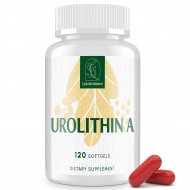
Urolithin A and Mitochondrial Renewal
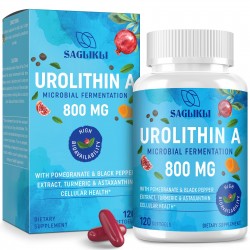
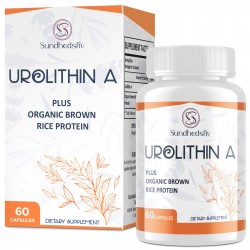
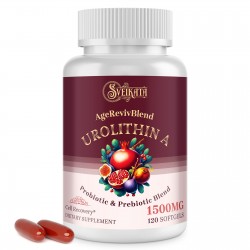
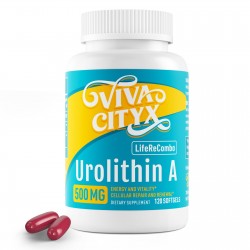
Urolithin A is a natural metabolite
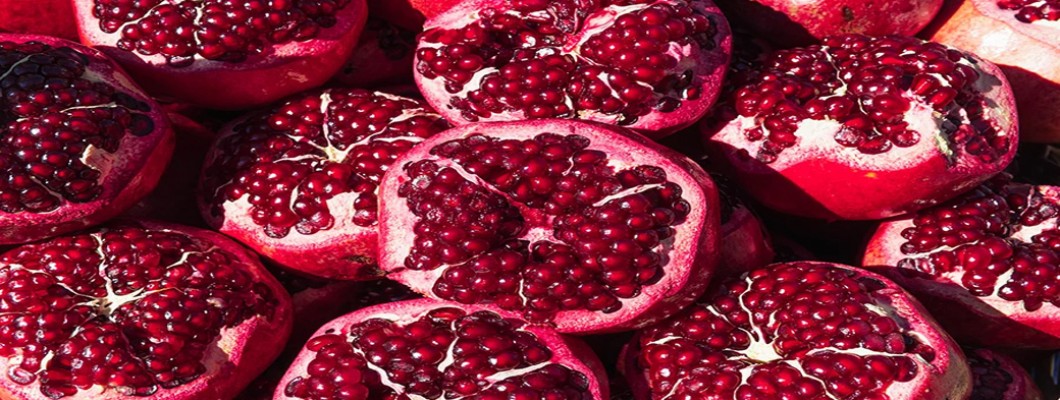
produced from dietary ellagitannins found in foods such as pomegranates and
certain nuts. What makes it scientifically distinctive is its ability to
activate mitophagy, helping cells renew their mitochondrial pool.
Preclinical research first demonstrated
that Urolithin A–induced mitophagy could improve
mitochondrial efficiency and cellular resilience. More recently, human clinical
research has begun to explore its relevance for immune function.
Evidence from a Human Clinical Trial
A randomized, double-blind,
placebo-controlled study published in Nature Aging examined Urolithin A
supplementation in healthy adults aged 45–70.
After 28 days of daily supplementation
(1000 mg), participants showed meaningful changes in immune markers, including:
• Increased
naive-like CD8⁺ T cells, which
are essential for responding to new immune challenges
• Reduced
expression of TOX, a marker associated with T-cell exhaustion
• Increased Ki-67 expression, indicating enhanced immune cell activation and renewal
A Metabolic Shift Toward Efficient Energy Use
Advanced single-cell metabolic analysis
revealed that immune cells shifted away from heavy reliance on glycolysis and
toward mitochondrial oxidative pathways, including fatty acid and amino acid
oxidation. This metabolic profile is characteristic of long-lived,
high-functioning immune cells.
The study also found increased expression of PGC-1α, a key regulator of mitochondrial biogenesis, suggesting a coordinated process of removing damaged mitochondria while supporting the formation of healthier ones.
Functional Immune Outcomes
These cellular and metabolic changes
translated into improved immune function:
• Enhanced
TNF secretion in response to immune challenge
• Improved
bacterial clearance by monocytes
• Increased
proportions of CD56^dim natural killer cells involved in immune surveillance
Gene expression analysis further supported a shift toward immune resilience and away from pathways linked to exhaustion and chronic inflammation.
A Science-Led View of Immune Aging
Together, these findings suggest that
immune aging is closely tied to mitochondrial quality and cellular energy
metabolism. Rather than stimulating the immune system directly, supporting
mitochondrial renewal offers a more foundational approach to maintaining immune
resilience over time.
While larger and longer-term studies are
still needed, current evidence positions Urolithin A as one of the most
extensively studied compounds for supporting mitochondrial health and
age-related immune function.
1 Comment(s)
Need assistance processing an order
Problem with your website
Leave a Comment